Depression in Veterans
The Journey Back to Self
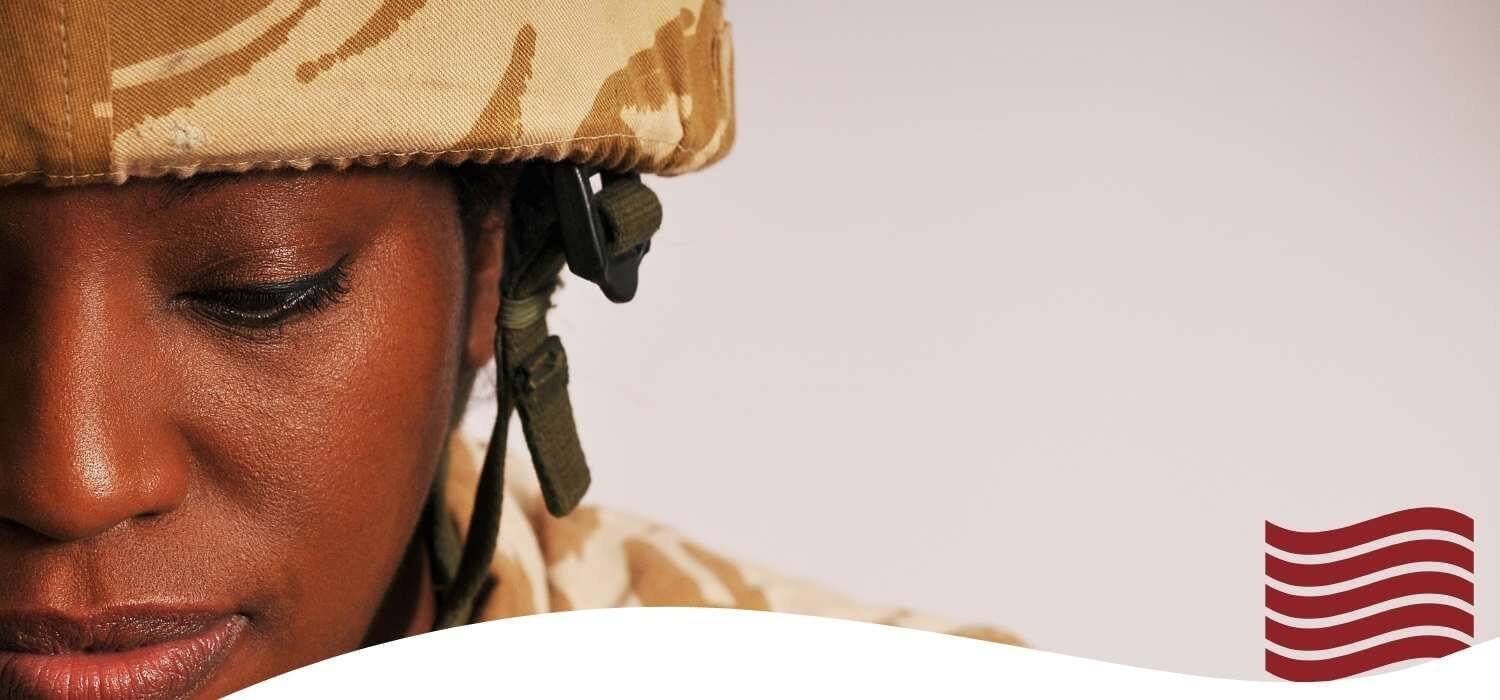
Depression can affect anyone, but veterans may face unique experiences that can increase the risk of depression.
Veterans can experience major changes during and after military service. Deployments, traumatic experiences, injuries, loss, separation from family, and the transition back to civilian life can all affect emotional well-being. For some veterans, these experiences may contribute to feelings of sadness, isolation, hopelessness, or a loss of interest in activities they once enjoyed.
Adjusting to life after military service can also bring changes in identity, relationships, routines, and sense of purpose. Depression may make these changes even more difficult. Recognizing the signs of depression and reaching out for support can be an important step toward improving emotional well-being and reconnecting with the people and activities that matter.

Learn More About Depression
Depression is more than feeling sad or having a difficult day. It can affect how a person thinks, feels, sleeps, interacts with others, and handles everyday responsibilities. Veterans may experience depression during military service, after leaving the military, or while adjusting to major changes in their lives.
Signs of depression can look different from one person to another. Some veterans may experience ongoing sadness, low energy, difficulty concentrating, changes in sleep or appetite, irritability, feelings of hopelessness, or a loss of interest in activities they once enjoyed. Depression can also affect relationships, work, and a person's ability to feel connected to others.
Military experiences, trauma, injury, chronic stress, grief, and the transition to civilian life may contribute to depression for some veterans. Depression can also occur alongside concerns such as anxiety or PTSD. Seeking professional support can help veterans better understand what they are experiencing and explore treatment options that fit their individual needs.
You deserve help.
Veterans are often trained to remain focused, dependable, and ready to handle difficult situations. Those strengths can be valuable during military service, but they may also make it difficult to recognize when emotional struggles are becoming overwhelming. Depression is not a personal failure or a lack of strength. Reaching out for support can be an important step when sadness, isolation, low motivation, or hopelessness begin interfering with daily life.
The transition from military to civilian life can bring major changes in routine, relationships, identity, and purpose. Some veterans may miss the structure, teamwork, and sense of mission they experienced while serving. Adjusting to a different pace of life while managing past experiences, family responsibilities, work, or other stressors can sometimes contribute to symptoms of depression.
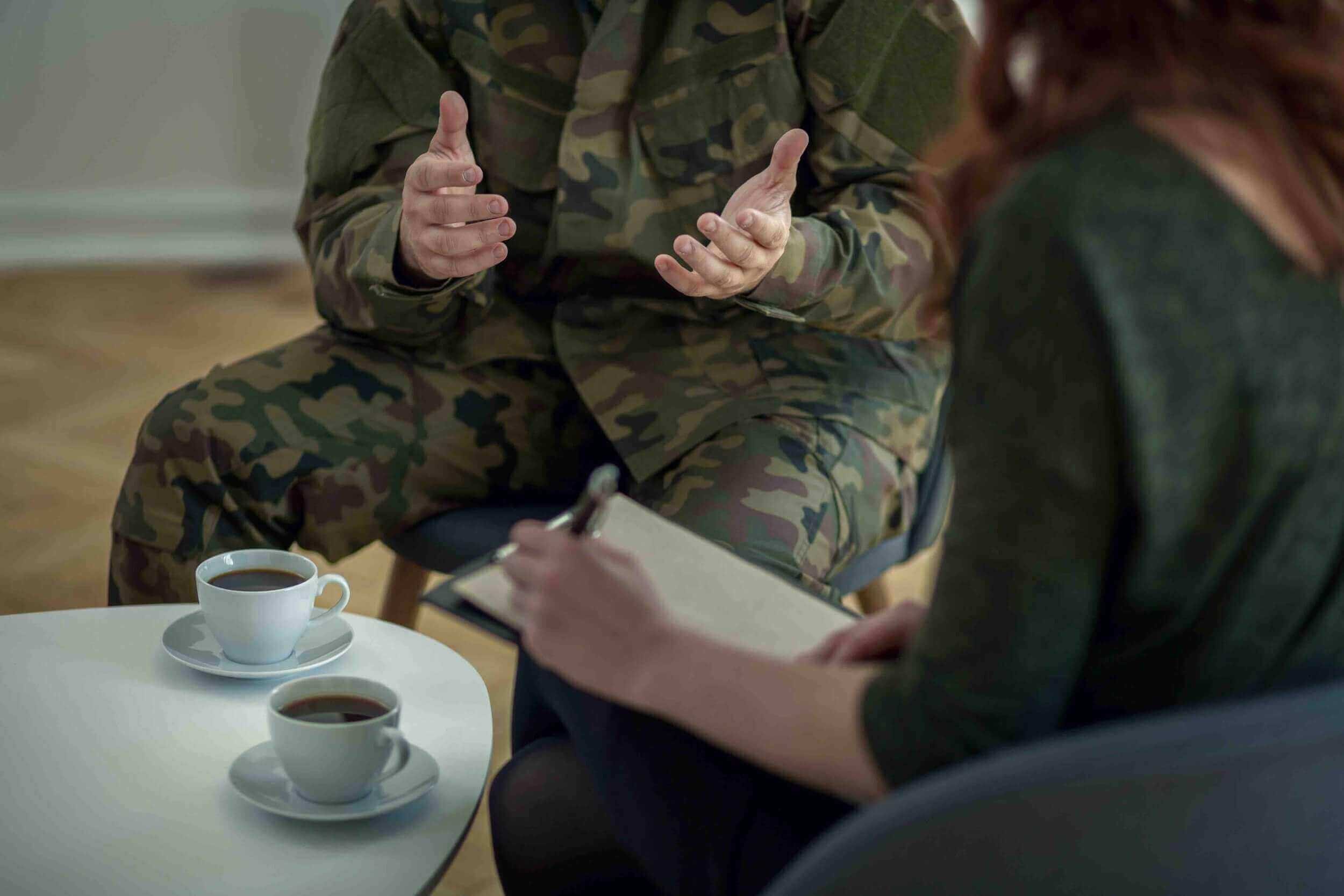
Depression can affect relationships, work, sleep, motivation, and the ability to enjoy everyday life. You do not have to navigate those challenges alone. Therapy can provide a supportive environment to talk about what you are experiencing, better understand your thoughts and emotions, and work toward goals that are meaningful to you.
Call us at (937) 712-5893 or email us at freedomdayton@gmail.com, and we’ll get you started on the journey back to yourself